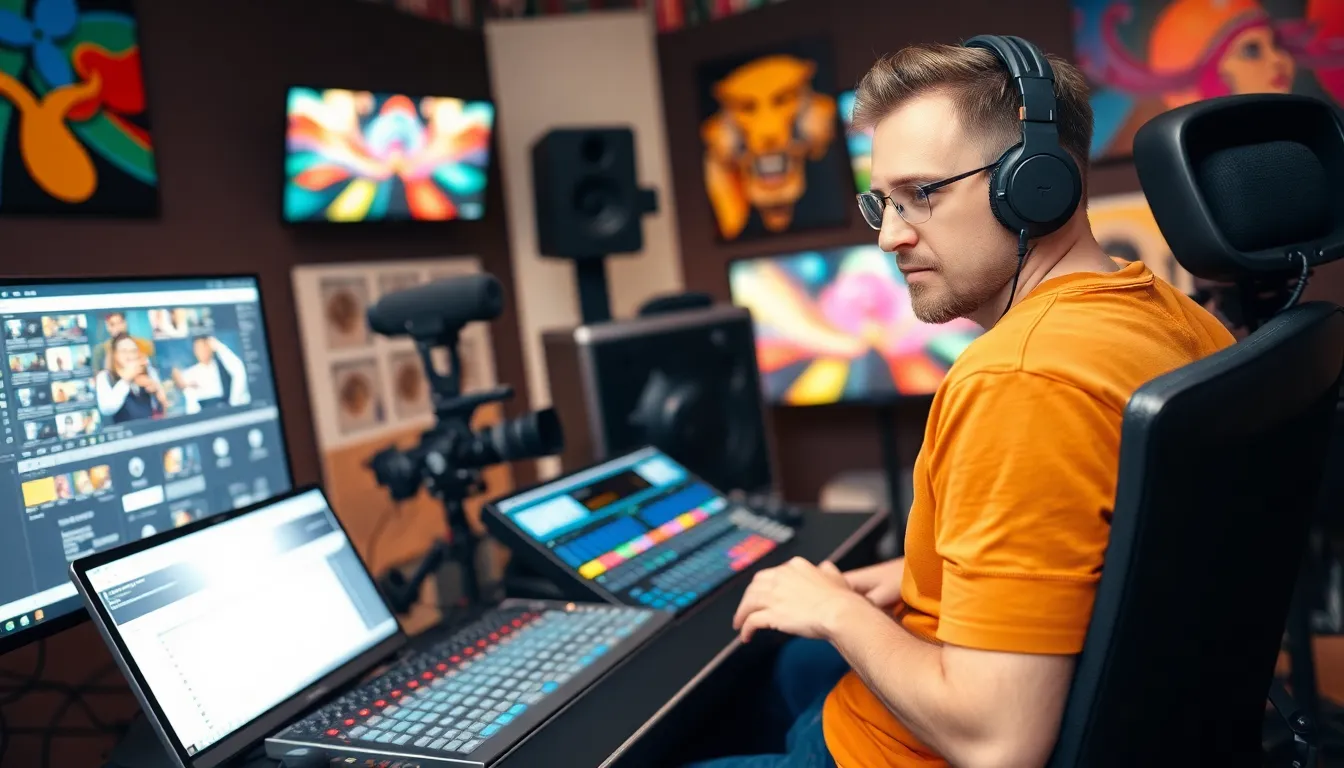
In a world where every cat video and TikTok dance challenge seems to have its own Oscar buzz, arts audio video technology and communications are more crucial than ever. These dynamic fields blend creativity with cutting-edge tech, transforming how stories are told and experiences are shared. Imagine a universe where your favorite artists connect with you through stunning visuals and crystal-clear sound, making every moment feel like a front-row seat at the hottest concert.
Overview of Arts Audio Video Technology and Communications
Arts audio video technology and communications form a dynamic intersection of creativity and innovation. This field encompasses the production and dissemination of multimedia content, utilizing tools and software that enhance visual and auditory experiences. High-definition video cameras, advanced sound systems, and immersive editing software are essential components that define quality in this arena.
Technological advancements redefine collaboration among artists, engineers, and producers. By leveraging real-time communication platforms, creators share ideas and feedback, fostering a culture of creativity and experimentation. Enhanced connectivity allows for seamless integration of various media, resulting in captivating storytelling.
In addition, the rise of digital streaming platforms has transformed the consumption of audio and video content. Services like YouTube, Spotify, and Twitch enable artists to reach global audiences, democratizing access to creative expression. These platforms empower creators to develop engaging content that resonates widely.
Furthermore, virtual reality (VR) and augmented reality (AR) technologies introduce new dimensions to artistic presentations. By providing immersive experiences, they invite audiences to explore content interactively. This shift encourages deeper emotional connections and elevates the overall appreciation for artistic works.
Trends in analytics and audience engagement now guide content creation. Data-driven insights help artists understand viewer preferences and tailor experiences accordingly. With these tools, creators continuously refine their approaches, maximizing impact and outreach.
Ultimately, arts audio video technology and communications represent a rapidly evolving landscape. This area continually adapts to technological trends and cultural shifts, promoting innovation and creativity in media expression.
Key Components of AV Technology
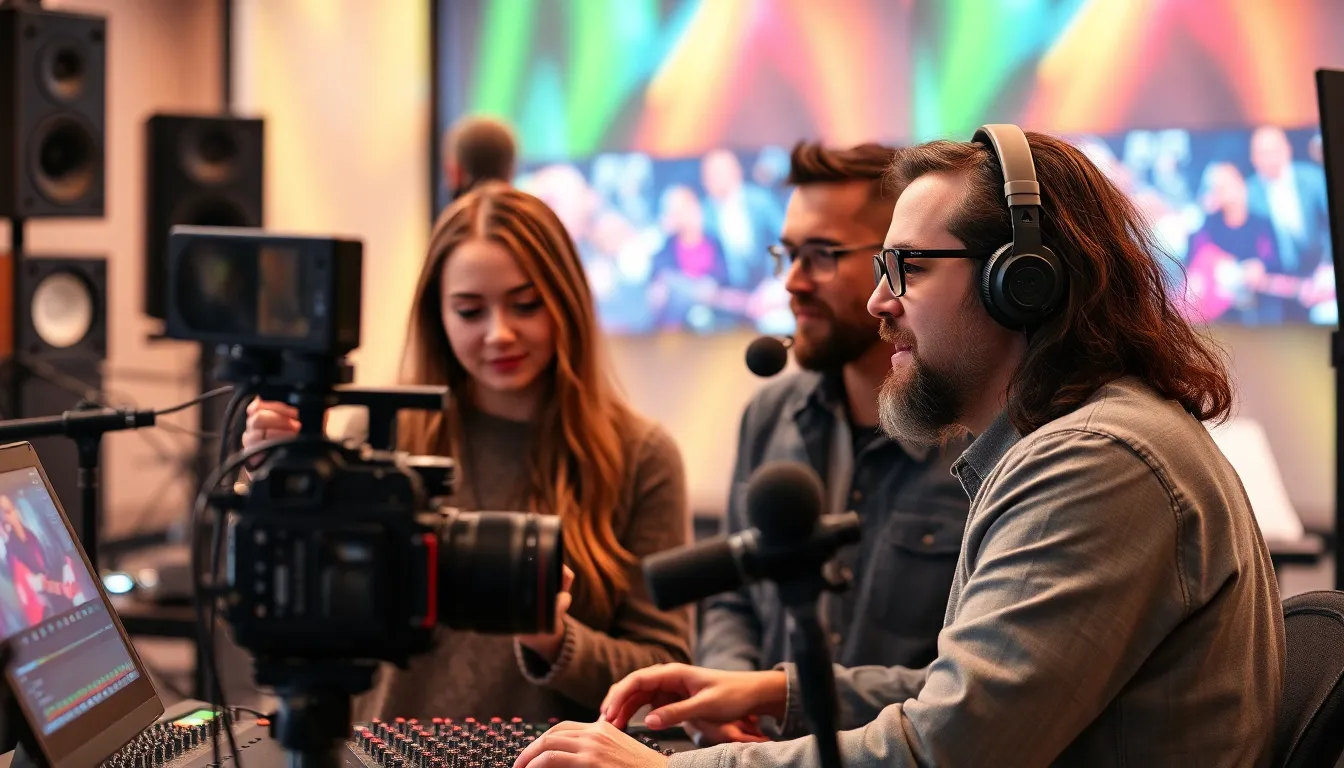
Arts audio video technology integrates various critical components that enhance the way content is created and experienced. Key technologies in this realm include those related to audio, video, and communication.
Audio Technologies
Audio technologies encompass a wide array of equipment aimed at delivering high-quality sound. Digital microphones capture vocals with precision, while mixers enable seamless blending of different audio tracks. Sound systems utilize speakers that produce clear, dynamic audio for immersive experiences. With advancements in acoustic engineering, noise-canceling technologies enhance clarity in both live performances and recorded content. Innovative plugins and software provide artists with tools to manipulate sound, creating unique auditory landscapes. The integration of spatial audio enhances engagement, allowing listeners to perceive sound from various directions.
Video Technologies
Video technologies play a crucial role in producing visually stunning content. High-definition cameras capture crisp images, while drones enable aerial shots that add dramatic flair to storytelling. Editing software empowers creators to combine clips, adding effects and transitions for visual impact. Live streaming platforms facilitate real-time content sharing, connecting artists with audiences worldwide. Moreover, 4K and 8K resolutions deliver unparalleled visual detail, elevating production quality. Virtual reality tools bring experiences to life, immersing viewers in interactive environments.
Communication Tools
Effective communication tools are vital for collaboration across the arts audio video landscape. Software platforms allow teams to brainstorm and share ideas instantaneously. Video conferencing applications support meetings that connect creators from different locations in real-time. Project management tools streamline workflows, ensuring that timelines remain on track. Cloud storage solutions enhance accessibility, enabling creators to manage files efficiently. Social media channels also play a significant role, facilitating audience engagement and feedback on content. In this rapidly evolving field, these tools support creativity and innovation within the modern artistic community.
Applications in Different Fields
Arts audio video technology and communications play a vital role in various sectors, enhancing creativity, engagement, and communication.
Education
Multimedia tools improve learning experiences in educational settings. Engaging videos and interactive presentations capture student attention effectively. Furthermore, online platforms utilize advanced audio and video technologies to facilitate remote learning. Virtual classrooms allow real-time collaboration, breaking geographical barriers. Institutions can adapt to diverse learning styles through these technologies, enhancing overall educational outcomes.
Entertainment
In the entertainment industry, arts audio video technology shapes how content is created and consumed. Streaming services leverage high-quality audio and visuals to attract viewers. Major film studios utilize advanced cameras and sound systems to enhance storytelling. Live events benefit from immersive technologies like VR, creating unparalleled experiences for audiences. Musicians and performers also rely on these innovations to connect with fans directly and interactively through live streams and social media.
Business
Business communication transformations stem from advancements in arts audio video technology. Companies use video conferencing platforms for seamless collaboration across teams. High-quality presentations enhance message delivery during meetings and conferences. Marketing campaigns utilize engaging videos and captivating visuals to capture consumer interest. Data analytics guide businesses in tailoring strategies, ensuring they address audience needs effectively while maximizing engagement.
Future Trends in AV Technology
The arts audio video technology sector is evolving rapidly, influenced by innovations and societal changes. New trends arise regularly, driving creative possibilities.
Emerging Innovations
Artificial intelligence (AI) plays a significant role in transforming content creation processes. AI-driven tools analyze audience preferences and automate editing, allowing artists to focus on creativity. Extended reality (XR), which encompasses virtual reality and augmented reality, introduces immersive experiences that engage users like never before. With XR applications, audiences explore environments and narratives in interactive ways. Additionally, advancements in streaming technologies enhance quality and accessibility, ensuring artists reach wider audiences efficiently. Blockchain technology also gains traction, offering new ways for artists to protect their work and monetize digital content.
Impact on Society
AV technology influences communication methods across diverse sectors. In education, multimedia tools foster interactive learning, making complex concepts accessible and engaging. Real-time collaboration platforms empower students and educators to connect globally, breaking geographical barriers. In entertainment, enhanced audiovisual experiences redefine audience engagement, providing deeper emotional connections with content. Brands utilize high-quality visuals and sound to craft memorable marketing campaigns, driving consumer engagement. Moreover, these technological advances spark discussions about creative ownership and rights, reshaping cultural norms surrounding digital content sharing and distribution.
Challenges in Arts Audio Video Technology
While arts audio video technology presents exciting opportunities, it faces several notable challenges.
Technical Limitations
Technical limitations significantly restrict the creativity and effectiveness of multimedia content. Equipment can be expensive, creating barriers for emerging artists and companies. High-resolution cameras and sophisticated sound systems often require substantial investment and expertise. Network reliability may hinder streaming quality, affecting user experience for live events and broadcasts. Furthermore, software compatibility issues can complicate collaboration across different platforms, reducing overall efficiency. Each of these factors can constrain the potential of artistic expression and innovation in audio video technology.
Accessibility Issues
Accessibility issues also pose major challenges within the arts audio video technology sphere. Individuals with disabilities often encounter barriers when engaging with audiovisual content. Subtitles or closed captions are frequently lacking in many platforms, limiting access for the hearing impaired. Visual elements may not always consider colorblind users, making content less inclusive. Voice recognition technology isn’t uniformly effective, sometimes excluding users with speech impairments. By addressing these accessibility challenges, the arts audio video industry can create a more inclusive environment that welcomes diverse audiences.
Arts audio video technology and communications are reshaping the creative landscape. As technology continues to evolve the synergy between creativity and innovation strengthens. Artists now have unprecedented tools at their disposal to connect with audiences on a deeper level.
The rise of platforms and immersive technologies ensures that artistic expression remains accessible and engaging. While challenges persist the industry is poised to foster inclusivity and adaptability. By embracing these advancements artists and creators can continue to push boundaries and redefine the future of media. The journey ahead promises exciting possibilities for storytelling and shared experiences.