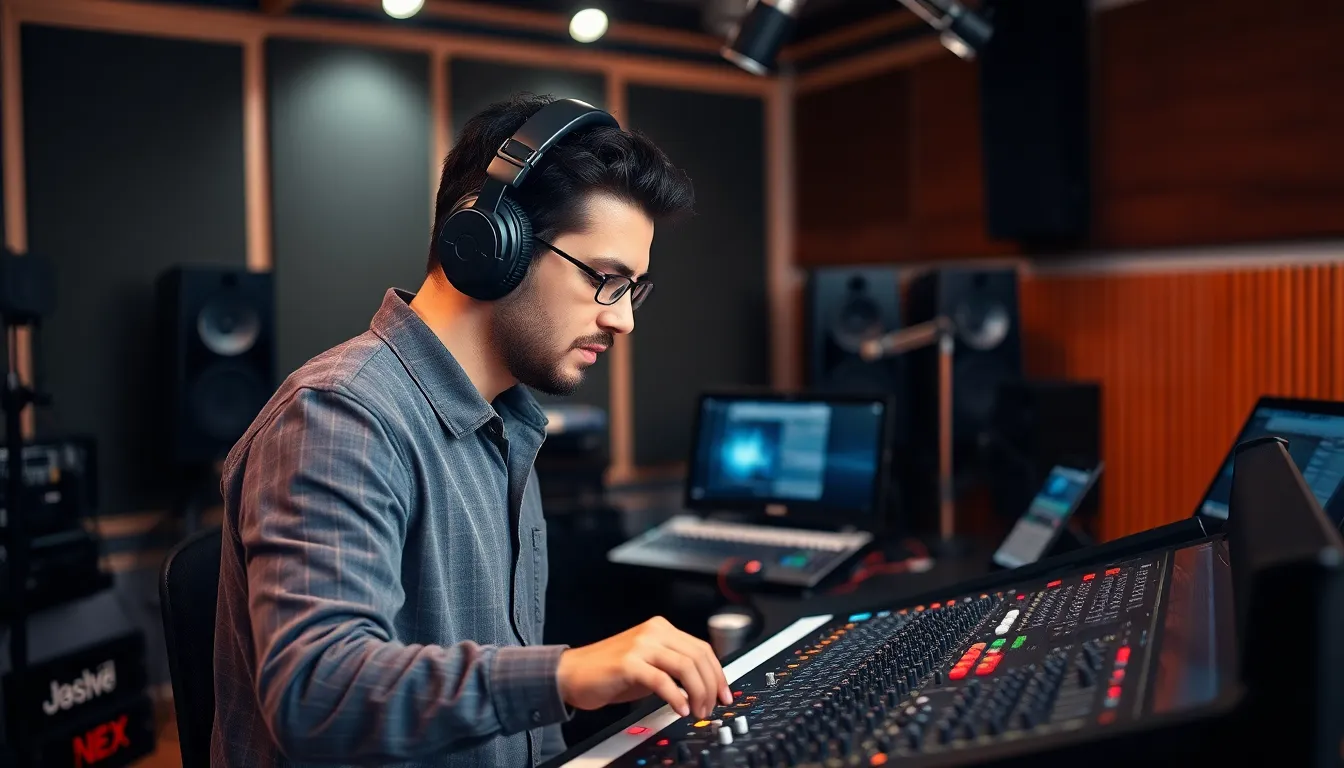
In a world where sound reigns supreme, pro audio technology is the unsung hero behind every ear-tingling experience. Whether it’s the thumping bass at a concert or the crystal-clear vocals in a studio, this technology transforms ordinary sound into a symphony of perfection. It’s like giving your ears a VIP pass to the best show in town.
Table of Contents
ToggleUnderstanding Pro Audio Technology
Pro audio technology encompasses advanced sound equipment and techniques that elevate audio quality. This technology transforms everyday listening into an immersive experience.
Definition and Importance
Pro audio technology refers to high-end equipment and methods used in sound recording, mixing, and playback. It plays a crucial role in industries like music, film, and broadcasting. Superior sound quality enhances listener engagement and promotes artistic expression. Studios and live venues rely on this technology to achieve a polished sound. Whether enhancing music experiences or improving film soundtracks, pro audio technology proves essential for captivating audiences.
Key Components of Pro Audio Systems
Key components of pro audio systems include microphones, mixers, monitors, and amplifiers. Microphones capture sound and convert it into electrical signals. Mixers allow sound engineers to adjust levels and effects for optimal balance. Studio monitors reproduce sound accurately, helping technicians craft mixes that translate well across various playback systems. Amplifiers boost audio signals, ensuring powerful sound output. Each component works together seamlessly to deliver high-quality audio experiences in diverse environments.
Types of Pro Audio Technology
Pro audio technology features two main categories: analog and digital systems. Understanding these distinctions is crucial for selecting the right equipment based on specific needs.
Analog vs. Digital Technology
Analog technology captures sound waves in a continuous signal format. Equipment like tape machines or vinyl records exemplifies this approach, delivering a warm, rich sound that many audiophiles appreciate. Conversely, digital technology converts sound waves into numerical data, allowing for more precise manipulation and storage. Devices such as digital audio workstations and MP3 files represent this category, offering versatile editing and playback options. Both methods possess unique advantages, appealing to different preferences in audio quality and production techniques.
Active vs. Passive Equipment
Active equipment incorporates built-in amplifiers, ensuring users receive powered output without needing separate amplifiers. Speakers and direct boxes commonly fall into this category, simplifying setups and improving efficiency. Passive equipment, on the other hand, relies on external amplifiers to function, which can allow for more customizable audio setups. Items like passive speakers and microphones often require additional gear but can result in enhanced sound fidelity. Understanding the differences between active and passive equipment aids in crafting tailored audio solutions for varying applications.
Applications of Pro Audio Technology
Pro audio technology plays a vital role across various fields, enhancing sound quality in unique environments. Key applications include live sound reinforcement and studio recording, among others.
Live Sound Reinforcement
Live sound reinforcement involves amplifying audio for audiences during events such as concerts and conferences. High-quality microphones capture sound from vocalists and instruments, while mixers blend audio signals to create a balanced output. Additionally, powerful amplifiers deliver clear sound to large crowds, ensuring every attendee enjoys the performance. Monitor speakers allow performers to hear themselves, aiding in their delivery. This system’s complexity ensures optimal sound quality, critical for artist and audience engagement.
Studio Recording
Studio recording focuses on capturing sound with precision in controlled environments. Professional-grade microphones provide accurate sound reproduction, while digital audio workstations enable detailed editing and mixing. Artists and producers utilize various recording techniques to enhance the audio quality, optimizing it for distribution. Acoustic treatment in studios minimizes unwanted reflections, creating a pristine listening experience. Collaborations among sound engineers and musicians result in polished final products that resonate with listeners. High-end monitoring systems further ensure accuracy during mixing and mastering stages.
Trends in Pro Audio Technology
Trends in pro audio technology highlight exciting developments in equipment and software. These innovations enhance sound quality and performance across various industries.
Advancements in Equipment
Recent advancements in equipment significantly impact sound quality and usability. Manufacturers are integrating advanced features into microphones, mixers, and monitors. For instance, modern digital mixers often include built-in effects processing, allowing real-time adjustments during live performances. Wireless technology improves mobility for performers, while portable audio interfaces enable high-quality recording on the go. Companies are focusing on creating more compact designs without sacrificing audio quality, making professional gear accessible to aspiring sound engineers and musicians.
The Role of Software in Pro Audio
Software continually evolves, playing an essential role in pro audio production. Digital audio workstations (DAWs) now offer sophisticated tools for recording, editing, and mixing tracks. Many DAWs incorporate artificial intelligence features to streamline workflows and enhance creativity. Plugin development has surged, introducing new effects and virtual instruments that expand sound design possibilities. Collaboration software allows remote work among artists and engineers, making it easier to achieve high-quality results. Innovative applications support seamless integration with hardware, creating enhanced audio production environments tailored for every need.
Pro audio technology is revolutionizing the way sound is experienced and produced. By blending advanced equipment with innovative techniques, it creates immersive audio environments that elevate both live performances and studio recordings. The ongoing evolution in both analog and digital systems ensures that artists and sound engineers have access to tools that enhance creativity and precision.
As the industry continues to embrace new trends and technologies, the future of pro audio looks promising. With compact designs and sophisticated software making professional sound more accessible, the possibilities for artistic expression are limitless. Investing in high-quality pro audio technology not only enriches the listening experience but also empowers creators to push the boundaries of sound.